
Lot 2 , Henry Wilson (1864-1934) for St Mark's, Brithdir, Gwynedd, Wales: A bronze catafalque handle
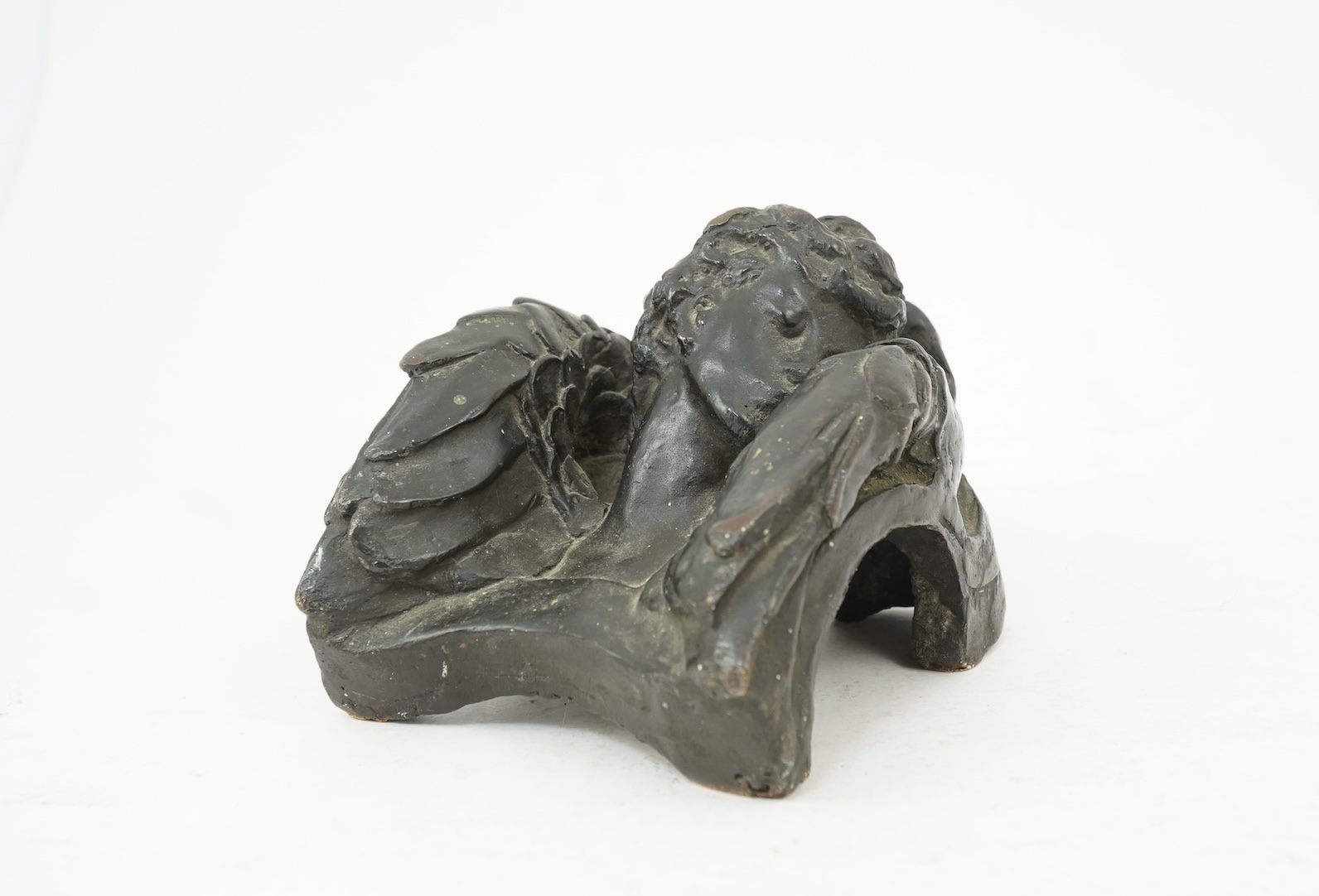
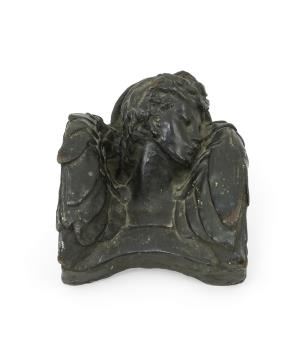
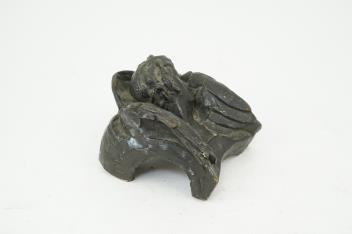
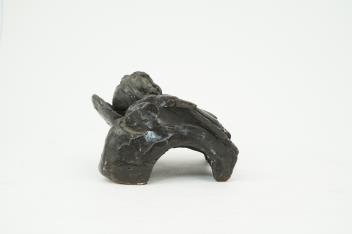
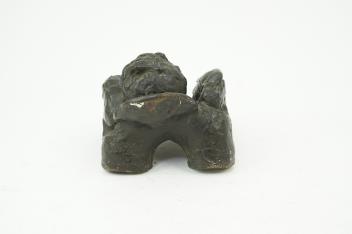
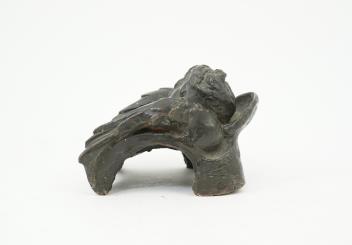
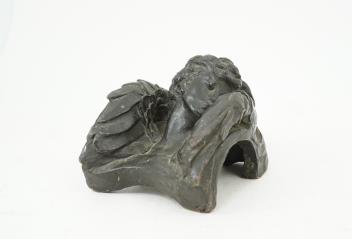
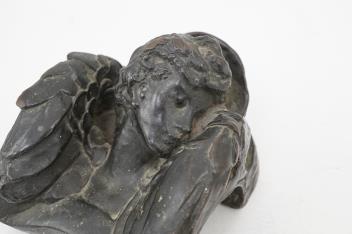
Henry Wilson (1864-1934) for St Mark's, Brithdir, Gwynedd, Wales: A bronze catafalque handle, modelled in the form of an angel, with wings and halo, apparently one of three cast, by family repute modelled after the artist's wife, Margaret (1870–1931), 14cm x 9cm x 10cm
Provenance: The estate of the Artist;
A gift from the artist's daughter Orrea Pernel Wilson (1906-1993) to the vendor's family, who were renting Wilson's studio at The Thatched House, St Mary's Platt, near Sevenoaks, Kent
Henry Wilson was one of the most original and versatile architect-craftsmen of the early 20th century. He trained initially as an architect but over his career found himself increasingly drawn to the associated arts: church furnishings, stained glass, sculpture, metalwork and jewellery.
Wilson studied at the Kidderminster School of Art, Westminster School of Art and the Royal College of Art, before commencing his architectural training in the offices of Edward Shrewsbury (1848-1924), John Oldrid Scott (1841-1913) and John Belcher. From 1888 to 1891 he was chief architectural assistant to John Dando Sedding (1838-91). The three years he spent in Sedding’s office shaped some of his most deeply held beliefs including the notion that architects should be able to decorate their own buildings and should therefore master other crafts. With this in mind, Wilson turned his attention to designing the jewellery and metalwork pieces he is arguably most well-known for.
£200-300
Sold for £550